

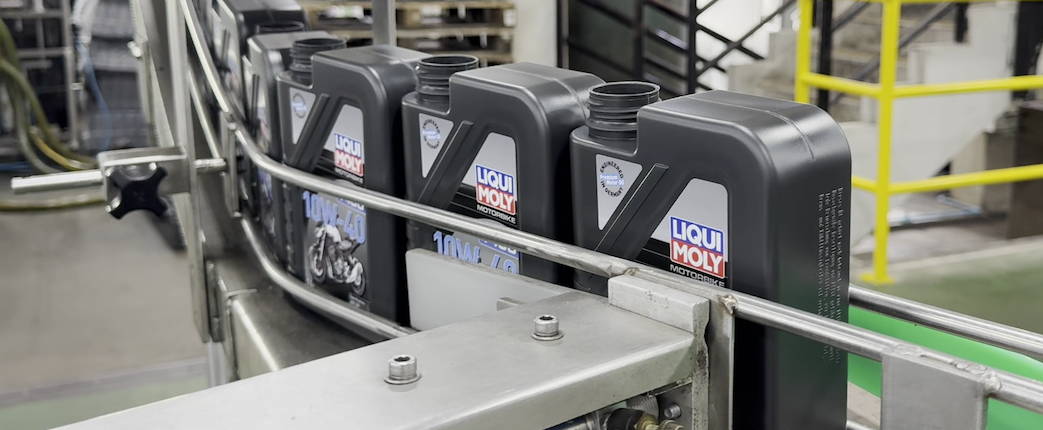
Liqui Moly has started producing automotive lubricants in Thailand, the first time the company has manufactured products outside Germany, it announced on its website. The move into Asia shortens delivery times, lowers Scope 3 carbon emissions and eases supply chain risks in the Red Sea.
A third of global container traffic once passed through the Red Sea to the Suez Canal. Since Houthi attacks began in 2023, that share has fallen by 75%, with operators rerouting around Africa at higher cost and more than a week added to voyage times, according to Supply Chain magazine.
“Like many other companies, the situation in the Red Sea presents us with major challenges in maintaining our supply chains. The decision for local production in Thailand is a consequent step to improve our supply in Asia. We are in good company as we have seen many international companies making this decision too,” said the company’s managing director, Salvatore Coniglio.
Asia accounts for more than half of global lubricant demand and has a fast-growing vehicle population. The new Bangkok location will coordinate supply across Asia, with Australia also receiving products from Thailand, too.
“The Asian market is a very important one for Liqui Moly as there lies a great potential to grow. The huge number of cars as well as motorbikes offers us enormous sales opportunities,” Roland Braun, Asia sales director, told Lube Report. “Demand in Europe isn’t shrinking, but we are well known here and growing on a steady level.”
Local production will focus on two-wheelers and commercial vehicles, while European customers will continue to be supplied from Germany. Liqui Moly said formulas, raw materials and quality controls remain unchanged.
At first, the plant will produce motor oils for passenger cars, motorcycles and heavy-duty vehicles. Packaging will still come from the same partners used in Germany to maintain consistent standards.