

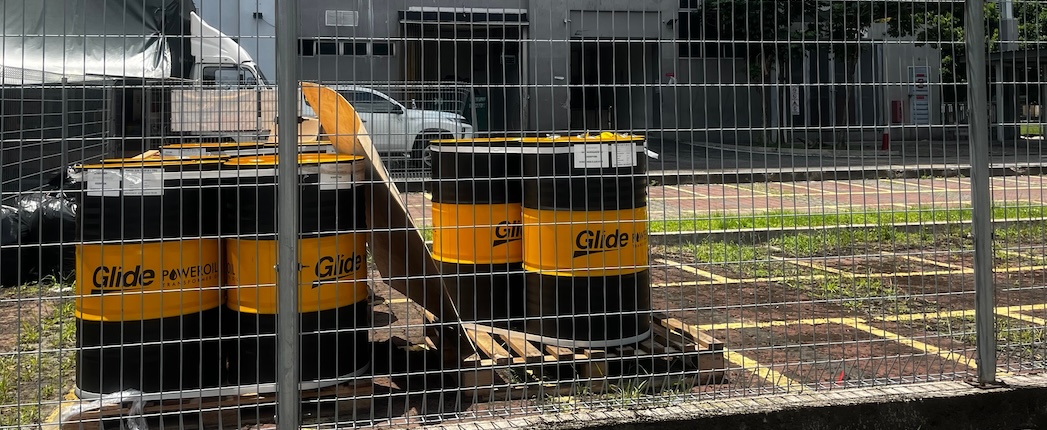
Malaysia hopes to play a key role in the global challenge of reducing used oil as hazardous waste and mitigating its environmental impact. The country is already rerefining premium base oils and expects to bring more capacity online in the coming years, an official with Pentas Flora, Malaysia’s largest waste management company, said during a presentation at the 17th Asia Base Oils and Lubricants Conference held in Singapore.
“Rerefining is a sustainable imperative that transforms waste into valuable base oils, and Malaysia is strategically positioned in the dynamic rerefining ecosystem,” Gunaprasath Bupalan, Pentas Flora’s head of strategic communications, noted. Pentas Flora already operates a 36,000 metric tons per year rerefinery in Banting, Selangor, which produces API Group II and Group III base oils and expects to expand its capacity in the coming years.
Several other Malaysian companies are also involved in rerefining used oil to produce products such as rerefined base oil (RRBO) and fuel oil, including PESCO Engineers, Attaquant Enterprises, AIM2Flourish, Cavin Resource, FatHopes Energy and Yokogawa, according to information posted online.
Further down the road, another project that is expected to offer additional rerefining capacity in Malaysia is that of Senari Synergy and Stone Petroleum in Sarawak, with a proposed output of 250,000 tons per year of various base oil grades, according to Bupalan.
Malaysia’s goal is to reach “the premium frontier” or mastering Group III RRBO, which offers superior properties crucial for lubricants by utilizing modern processes and technological advancements.
The process of rerefining comprises three main steps: waste oil collection, pre-treatment and hydrotreating, Bupalan explained. There are many hurdles rerefiners have to overcome to convert used oil feedstock into a world-class product. One of the biggest challenges is feedstock variability and managing diverse used oil streams.
Another market obstacle that rerefiners face involves overcoming current perceptions and outdated views about rerefining and addressing historical quality concerns. Many base oil and lubricant consumers still cling to the idea that rerefined base oils are not as high quality as virgin base oils.
However, comprehensive testing has demonstrated that virgin Group III base oils have similar properties to a modern RRBO Group III base stock in terms of viscosity index, sulfur content, saturates, NOACK volatility and color, rendering RRBO almost indistinguishable from virgin base oil, Bupalan emphasized.
One of the most important ways to ensure that the rerefined oils meet the desired specifications is by implementing rigorous quality control, testing and certification. Bupalan said that Pentas Flora is committed to achieving the industry’s highest standards throughout the quality control flowchart, which includes many steps. These include collection and screening; analysis; pre-treatment; refining; post-treatment; certification and shipment.
Many industry players are still on the fence about whether rerefining really contributes to reducing the environmental impact of disposing of used oil, as it is an involved process that requires a firm commitment from both the used oil suppliers as well as the company collecting and rerefining the feedstock. In numerous countries, used oil is simply burned for energy recovery.
But the results are well worth the effort. Producing rerefined base oils can result in a 77% reduction in greenhouse gas emissions compared to traditional virgin base oil production, even after the producer has followed very similar steps such as collecting the crude oil versus collecting used oil, transportation, distillation and removal of contaminants and packaging and distribution, according to a U.S. Environmental Protection Agency study on rerefined lubricating oils published in 2015. These are important statistics if you consider that the oil and hydrocarbon industry generates 154,113 metric tons per year of waste, making up 9.02% of all the waste generated in the country, according to the Department of the Environment of Malaysia.
Additionally, rerefining is significantly more energy efficient, requiring 65% to 85% less energy than refining virgin crude oil into base oils, Bupalan asserted, citing various studies by industry associations. “One gallon of used motor oil can produce as much lubricating oil as 42 gallons of crude oil, potentially saving up to 900 million gallons of crude oil per year globally if widely adopted,” he added.
For the future, Bupalan envisions the continuous development of advanced technologies and innovation that will allow rerefiners to achieve even higher purity and efficiency. He also hopes that the rerefining segment receives enough encouragement for it to invest and collaborate in new ventures along with increased government support through regional and global policies and regulations.